I Want My MTV
Three words that once meant a channel played music around the clock. Here's where the phrase came from, what happened to it, and how to get that feeling back tonight.
▶ Watch music videos now Browse channels
Where the phrase came from
MTV launched on August 1, 1981, opening with The Buggles' "Video Killed the Radio Star." But in its first year, most American cable systems didn't even carry it. So in 1982 the network ran a now-legendary campaign built around one demand: "I Want My MTV." Rock stars from Mick Jagger to Pat Benatar to David Bowie looked into the camera and told viewers to call their cable operators and refuse to take no for an answer.
It worked. Cable companies were flooded with calls, MTV spread across the country, and the phrase became shorthand for an entire cultural shift. Dire Straits even wove it into "Money for Nothing" in 1985, with Sting singing the line over one of the most-played videos of the decade. Decades later it became the title of the definitive oral history of the era, I Want My MTV: The Uncensored Story of the Music Video Revolution.
What happened to it
Somewhere along the way, the music stopped. Through the 2000s and 2010s, MTV drifted away from videos and toward reality programming. The channel that taught a generation to demand music television slowly stopped playing music at all. The videos didn't disappear, but the place that used to play them, all day, in order, with no agenda but the next great song, did.
MTV Rewind brings it back
MTV Rewind is an independent, fan-built revival of that experience. It streams more than 108,000 music videos around the clock inside a vintage CRT-TV player, organized into channels by decade and genre, from 80s pop and hair metal to 90s grunge, 2000s hip-hop, country, and beyond. There's a live Green Room chat, a daily short-form series called CRT Cuts that surfaces the strangest true stories in music-video history, and one simple promise: no reality shows, no ads, just music.
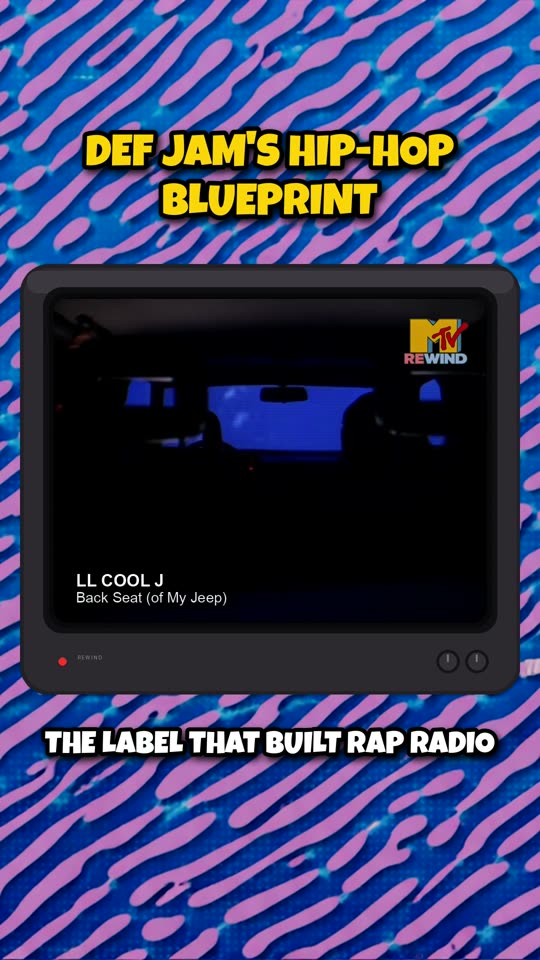
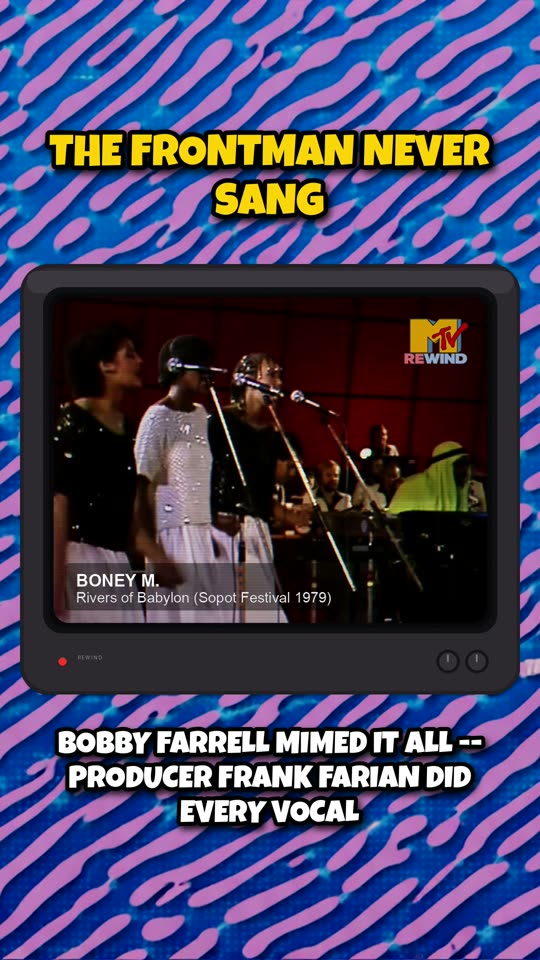
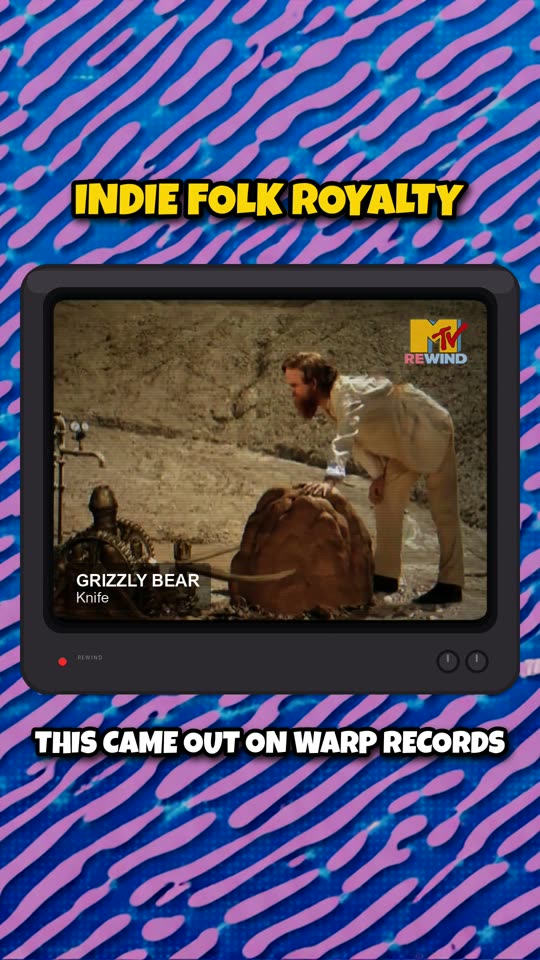
CRT Cuts: a daily short-form series drawn from the archive.
It's completely free and runs on donations from people who want to keep it that way. No login, no algorithm deciding what you should want, no interruptions. Just the channel-surf feeling, the way it used to be.
Frequently asked
- What does "I Want My MTV" mean?
- It was the rallying cry of MTV's 1982 campaign, in which rock stars urged viewers to call their cable providers and demand the channel. It came to stand for the era when music television played nonstop videos, and today it's the spirit behind MTV Rewind.
- What is MTV Rewind?
- An independent, fan-built revival of the classic music-video channel: 108,000+ videos streaming 24/7 in a vintage CRT player, organized by decade and genre. No reality shows, no ads, just music.
- Is it free?
- Completely free and ad-free. It runs on voluntary donations from viewers who want to keep it that way.
- Is MTV Rewind affiliated with MTV?
- No. It's an independent passion project, not affiliated with or endorsed by MTV, Paramount, or any official rights holder. It's a fan homage to the era when MTV played music videos.
- How many videos are there?
- More than 108,000, spanning the 80s, 90s, and 2000s across pop, rock, hip-hop, metal, country, and more.