Erykah Badu - On & On (Remix Edit)
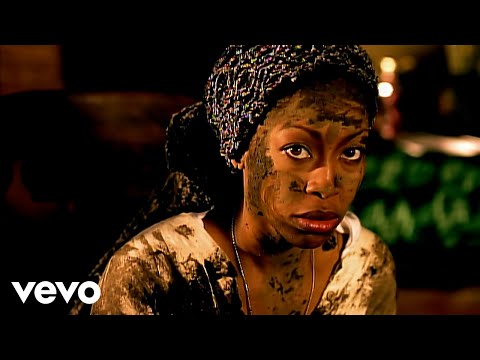
What this video is
Released in December 1996 as the debut single from Erykah Badu's landmark album Baduizm, 'On & On' arrived at a pivotal moment when post-hip-hop Black music was searching for a new vocabulary beyond gangsta rap and new jack swing. The video's deliberate staging in an imagined 1930s–40s rural Black South — complete with juke joints, domestic labor, and Sunday dress — channeled the visual language of the African American folk and blues tradition while the soundtrack pulsed with contemporary neo-soul production. This temporal collapsing spoke directly to Afrocentric cultural reclamation movements gaining momentum in Black urban America through the 1990s. The single reached #1 on the Billboard Hot R&B/Hip-Hop Songs chart and won the Grammy for Best Female R&B Vocal Performance in 1998, cementing Badu's role as the figurehead of an emerging genre.
Why it matters
Widely identified as one of the first neo-soul singles to top the R&B charts, 'On & On' established the sonic and visual template for the genre: jazz-inflected production, spiritually conscious lyricism drawing on Five-Percent Nation cosmology, and music video aesthetics that rejected contemporary urban settings in favour of diasporic historical imagery. The Remix Edit version extends the track's reach into club and remix culture, underlining neo-soul's hybrid positioning between underground hip-hop and mainstream R&B.
The director
Emmy-nominated American filmmaker and co-founder of commercial production company PRETTYBIRD. A native Californian who graduated from Cal State Northridge with a degree in Radio, TV & Film. Entered music video direction in 1995 and quickly became one of the most prominent directors in hip-hop and R&B. In 2004, the Washington Post called him one of the 'most seminal names among black hip-hop directors.' Notable credits include The Notorious B.I.G.'s 'Hypnotize,' D'Angelo's 'How Does It Feel?', and Christina Aguilera's 'Lady Marmalade.' Made his feature film directorial debut with Bulletproof Monk (2003). Co-founded PRETTYBIRD in 2008 alongside Kerstin Emhoff.
Look and style
Fashion: Head wrap / tignon as cultural identity marker, 1930s–40s domestic-service apron and work dress, Emerald green draped fabric / tablecloth-as-dress performance look, Sunday-best church attire on ensemble cast, Natural hair and unstraightened aesthetics, Bare feet and rural working garments.
Techniques: Period production design (1930s–40s rural American South), Ensemble cast blocking with documentary naturalism, Intercutting domestic realism with juke joint performance, Deliberate audio-visual temporal dissonance (contemporary music over historical visuals), Wide establishing exterior shots contrasted with tight interior performance framing, Colour contrast: desaturated domestic scenes vs. vibrant emerald green performance costuming.
Effects: Period-grain film emulation, Warm amber colour grading, Deep shadow crush / chiaroscuro lighting, Natural practical lighting sources (daylight, firelight), Shallow depth-of-field portrait shots.
Scenes and audiences: Five-Percent Nation / conscious Black spirituality, Afrocentric aesthetic movement, Southern Black folk and juke joint tradition, Hip-hop-inflected R&B underground, Black feminist expressionism.