Arrested Development - Tennessee
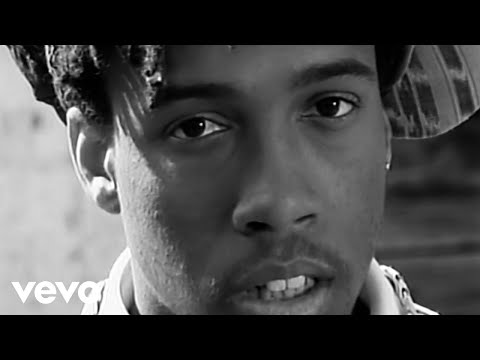
What this video is
Released in March 1992, Tennessee arrived as a direct counter-statement to the dominance of West Coast gangsta rap. Atlanta-based Arrested Development foregrounded spirituality, Southern Black heritage, ancestral grief, and communal identity — themes deliberately absent from mainstream hip-hop of the moment. The video's black-and-white visual language, rural Georgia setting, and use of a property with extant slave-era structures transformed the clip into a living document of intergenerational Black American history. The song won the Grammy Award for Best Rap Performance by a Duo or Group in 1993, and Arrested Development became the first hip-hop group in history to win the Grammy for Best New Artist. The Rock and Roll Hall of Fame listed the song among its 500 Songs That Shaped Rock and Roll.
Why it matters
Tennessee is a foundational text of Southern conscious hip-hop and alternative rap, demonstrating that the genre could sustain spiritual, pastoral, and elegiac registers alongside political ones. Its chart success — reaching number six on the Billboard Hot 100 and topping the R&B singles chart — proved the commercial viability of non-confrontational, community-centered hip-hop and helped lay groundwork for the later emergence of Atlanta as the dominant force in American rap. The video's documentary visual grammar influenced a generation of hip-hop directors seeking authenticity over spectacle.
The director
New York-based Macedonian film director, photographer, and artist. Directed the Academy Award-nominated and Venice Golden Lion-winning feature Before the Rain (1994). Feature filmography includes Dust (2001), Shadows (2007), Mothers (2010), Bikini Moon (2017), Willow (2019), and Kaymak (2022). Served as Head of Directing Studies at NYU Tisch Graduate Film program. Member of the Directors Guild of America and European Film Academy. Won best MTV video award for Tennessee. Work has screened at over 400 festivals across 80+ countries.
Look and style
Fashion: dungarees and overalls (rural Southern working-class vernacular), natural hair and locs (Afrocentric identity markers), layered earth-tone casual streetwear, African-print and kente-influenced accessories, unpretentious community dress (non-fashion-forward, anti-MTV-glam).
Techniques: Depression-era documentary photography influence (Diane Arbus, Henri Cartier-Bresson, Robert Frank), community-gathering vérité framing, dilapidated rural architecture as historical signifier, non-actor extras from local Georgia neighborhood, minimal or no artificial lighting setup, performance footage intercut with environmental portraiture, historically significant props used in situ (period artifacts at location).
Effects: black-and-white monochrome film stock, natural available-light photography, shallow depth-of-field portraiture, handheld and observational camera movement, archival still photograph integration (end-title lynching photograph).
Scenes and audiences: Afrocentric-bohemian collective aesthetics, Southern Black rural community portraiture, anti-gangsta alternative hip-hop, spiritual and communal gathering culture, historically-rooted Black American identity politics.