Mötley Crüe - Kickstart My Heart
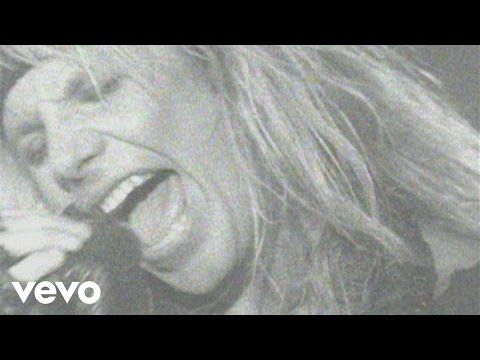
What this video is
Released in 1989 as the second single from Dr. Feelgood — Mötley Crüe's commercial peak and best-selling album — 'Kickstart My Heart' arrived at the absolute zenith of glam metal's MTV dominance. The song's title references bassist Nikki Sixx's near-fatal heroin overdose, transforming a personal trauma narrative into an anthemic, arena-ready celebration of survival and excess. Filmed at the Whisky a Go Go — the storied Sunset Strip venue that served as the cradle of the Los Angeles hard rock scene — the video functions simultaneously as a cultural artifact of that specific milieu and as a commercial spectacle engineered for maximum MTV rotation impact. The inclusion of motorsport and skydiving footage visually externalizes the adrenaline-overdose metaphor at the song's lyrical core, connecting the band's hedonistic mythology to broader masculine thrill-seeking subcultures of the late 1980s.
Why it matters
A canonical text of late-1980s glam metal visual culture, 'Kickstart My Heart' represents the genre's most successful fusion of raw live-performance energy with MTV-optimized rapid editing. Its documentary-rooted aesthetic — real venue, real audience, real concert energy — set a template for performance-based hard rock videos that prized kinetic authenticity over narrative artifice, distinguishing it from more theatrical or fantasy-driven contemporaries in the genre.
The director
Wayne Isham (b. December 2, 1958, Vinita, Oklahoma) is an American music video and film director who attended the University of California, Santa Barbara. Inspired by David Bowie's 'Ashes to Ashes,' he became one of the defining directors of the MTV era, helming over 150 videos for artists including Metallica, Bon Jovi, Mötley Crüe, Britney Spears, Backstreet Boys, Ricky Martin, and Michael Jackson. He received the MVPA Lifetime Achievement Award in 2007 and won the MTV VMA for Video of the Year in 2008.
Look and style
Fashion: Teased, voluminous hair (signature glam metal styling), Leather pants and jackets, Sleeveless band T-shirts and torn clothing, Heavy metal jewelry and studded accessories, Stage makeup on male performers, Spandex and tight denim, Bandanas and scarves worn as accessories.
Techniques: Performance-documentary hybrid structure, Arrival narrative bookend (limousine/ambulance sequence), Thematic intercutting of speed/danger motifs with musical performance, Wide-to-close shot escalation for energy build, Crowd reaction cutaways for communal energy, Low-angle heroic band framing.
Effects: Live multi-camera concert intercutting, Insert footage montage (racing, skydiving), Practical stage lighting (tungsten wash, moving spots), Handheld and shoulder-mounted camera movement, Quick-cut rhythmic editing synchronized to drum hits, Available-light exterior/arrival sequence, Film grain from 16mm or 35mm origination.
Scenes and audiences: Sunset Strip hard rock / club scene, MTV-era arena rock spectacle, motorsport/speed subculture (drag racing imagery), extreme sports subculture (skydiving footage), rock concert audience culture, Hollywood celebrity cameo culture.