Bon Jovi - Livin' On A Prayer
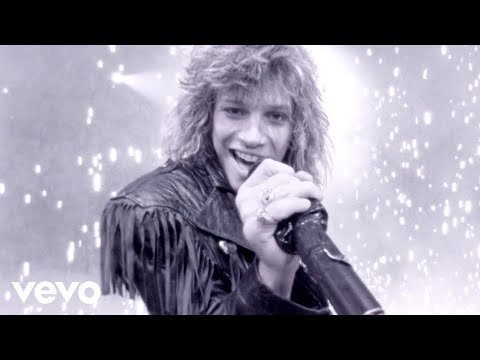
What this video is
Released in late 1986 against the backdrop of Reagan-era economic policy and labor unrest, 'Livin' On A Prayer' channeled working-class anxieties into an aspirational arena-rock anthem. The song's storyline — a dockworker on strike and his diner-waitress girlfriend — drew loosely on real events including the 1977 ILA dockworkers' strike. The video's MTV saturation arrived at the precise moment when music video had become the primary vehicle for rock stardom, and Bon Jovi's telegenic charisma made it a defining artifact of the network's golden era. The song subsequently transcended its era: it topped VH1's list of The 100 Greatest Songs of the '80s in 2006, re-charted internationally decades after release, and became a post-9/11 resonance moment when the band performed an acoustic version for national tribute broadcasts.
Why it matters
Represents the commercial and aesthetic apex of glam/arena metal's MTV crossover. As Bon Jovi's second consecutive Billboard Hot 100 No. 1 — making them the first hard rock act to achieve back-to-back chart-toppers — the video codified the visual grammar of the genre: big hair, stage-lit performance, and emotional key-change as cinematic event. Its B&W-to-color climax became one of the most imitated transitions in 1980s rock video production.
The director
Wayne Isham is an American music video director who became one of the dominant forces in MTV-era rock video production through the mid-1980s and 1990s. He served as a frequent and long-term collaborator with Bon Jovi, directing numerous videos across the band's career. His work is closely associated with the glam-metal and arena-rock genres that defined MTV's commercial peak.
Look and style
Fashion: teased / volumized hair, tight ripped denim jeans, leather jackets, sleeveless band shirts, bandanas / headbands, high-top sneakers, layered jewelry / wristbands, stage-lighting-enhanced power poses.
Techniques: behind-the-scenes / rehearsal framing (mockumentary-lite), performance intercut with crowd reaction, grainy film-stock warmth, slow reveal of full band on stage, frontal hero shot composition on lead vocalist, deliberate tonal shift (B&W → color) as emotional crescendo.
Effects: black-and-white to color transition at climax, stage fog / haze machines, concert follow-spot lighting, high-contrast key lighting, crowd cutaways (simulated live audience), handheld push-in camera moves on vocalist.
Scenes and audiences: arena-rock fan culture, working-class Reagan-era youth, MTV generation / music-video consumerism, hair-metal fandom.