DMX - Ruff Ryders' Anthem
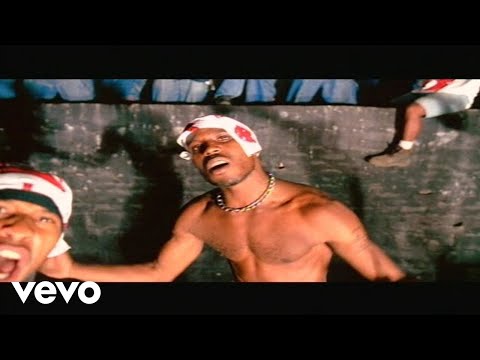
What this video is
Released May 5, 1998, during a vacuum of East Coast rap leadership following the deaths of 2Pac and Notorious B.I.G., 'Ruff Ryders' Anthem' served as a coronation for DMX and a rallying cry for the Ruff Ryders collective. The video visualized a tight-knit street crew ethos — loyalty, physical dominance, and borough pride — while introducing a motorcycle/ATV subculture that would inspire a generation of sport-bike enthusiasts. The song and video together anchored DMX's debut album *It's Dark and Hell Is Hot*, which debuted at #1 and sold over 251,000 copies in its first week. The video's documentary-adjacent production style and real-event footage gave it a rawness that distinguished it from the high-gloss Hype Williams-dominated aesthetic of the era. In 2008 VH1 ranked the song #79 on its 100 Greatest Songs of Hip Hop.
Why it matters
A landmark text in hardcore hip-hop visual culture, 'Ruff Ryders' Anthem' codified the late-1990s New York street rap video formula: outdoor location shooting, large crew presence, minimal narrative, and performance-dominant editing. It launched the Ruff Ryders Entertainment visual brand and established a template for collective/label-identity music videos. Producer Swizz Beatz's debut hit is immortalized here, launching one of hip-hop's most important production careers.
The director
J. Jesses Smith is a music video director known for his work in late-1990s hip-hop. He directed DMX's earliest music videos, including 'Get at Me Dog' and 'Ruff Ryders' Anthem' (1998), playing a pivotal role in establishing DMX's iconic visual identity during his debut album campaign on Def Jam/Ruff Ryders Entertainment.
Look and style
Fashion: Oversized baseball jerseys with Ruff Ryders branding, Bandanas (worn on head or around neck), Durags, Fitted caps, Shirtless performance aesthetic (DMX), Ruff Ryders 'R' logo apparel, Baggy denim and cargo pants, White tank tops / wife-beaters.
Techniques: Location shooting (prison yard, inner-city alley, street, school bus exterior), Large ensemble crowd choreography, Guerrilla/documentary-style capture of live motorcycle event (Wink Parade aftermath), Warm natural color grading with high contrast, Intercut talking-head court appearance footage, Posse-wide group framing emphasizing collective identity, Repetitive call-and-response visual rhythm mirroring song structure.
Effects: Minimal post-production effects, Natural/available light cinematography, Handheld verité camera movement, Quick-cut intercutting between performance and action, Intercut documentary news-footage style interview segment, Slow-motion motorcycle stunt shots.
Scenes and audiences: Ruff Ryders motorcycle/ATV stunt riding culture, New York street rap posse culture, Hardcore hip-hop collective identity, Urban street gang-adjacent visual aesthetics, Prison yard iconography, Sport bike enthusiasm and wheelie culture.