DMX - Get It On The Floor ft. Swizz Beatz
What this video is
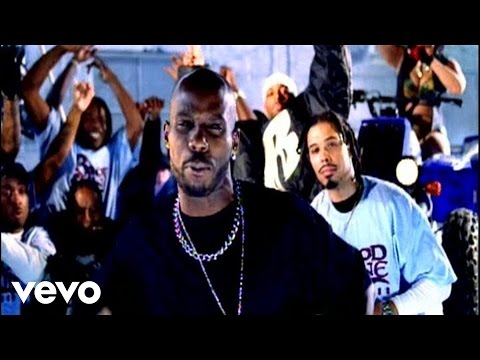
Released December 30, 2003, 'Get It on the Floor' arrived at the tail end of DMX's commercial peak as the second single from Grand Champ — his fifth consecutive number-one debut album on the Billboard 200, moving 312,000 units in its first week. The video reflects the visual grammar of the Ruff Ryders / Def Jam era: raw performance energy, nightclub or street-adjacent environments, and hyper-compressed editing that mirrors the aggression of hardcore rap delivery. Swizz Beatz's on-screen presence reinforces the producer-as-collaborator dynamic central to early-2000s hip-hop branding. The warm tungsten palette and dense crowd staging signal the transition from 1990s fish-eye excess toward a grittier, more grounded street-realism aesthetic that would come to define mid-decade rap video production.
Why it matters
Canonical example of early-2000s East Coast hardcore hip-hop visual language: rapid-cut performance format, dark urban lighting, and crowd-energy staging that codified Def Jam's aesthetic template of the period. Documents the final phase of DMX's chart dominance before genre diversification in the mid-2000s, and the dual-artist featuring convention (rapper + producer as co-stars) that Swizz Beatz pioneered across multiple Ruff Ryders-adjacent releases.
The director
Phenomenon is a music video director active in the early-to-mid 2000s hip-hop video space. Credited on IMDb for directing the 2003 music video for DMX feat. Swizz Beatz 'Get It on the Floor.' The video was produced through Work of Art Projects with film producer Kareem Johnson and editor Zuk, under The Island Def Jam Music Group.
Look and style
Fashion: oversized athletic jerseys, baggy denim, fitted baseball caps, du-rags, large chain jewelry / bling aesthetic, Timberland-style boots, white tank tops / wife-beaters, early-2000s throwback sportswear.
Techniques: shallow depth of field, warm amber-gelled practical lighting, crowd reaction inserts, multi-camera live performance coverage, motion blur on action cuts, lens flare from practical sources.
Effects: rapid-cut montage editing, low-key tungsten lighting, handheld camera movement, dutch angle shots, slow-motion inserts, tight close-up performance cuts, high-contrast color grading.
Scenes and audiences: Ruff Ryders crew affiliation culture, street rap performance aesthetic, Def Jam commercial hip-hop, East Coast rap bravado, early-2000s hip-hop party culture.